

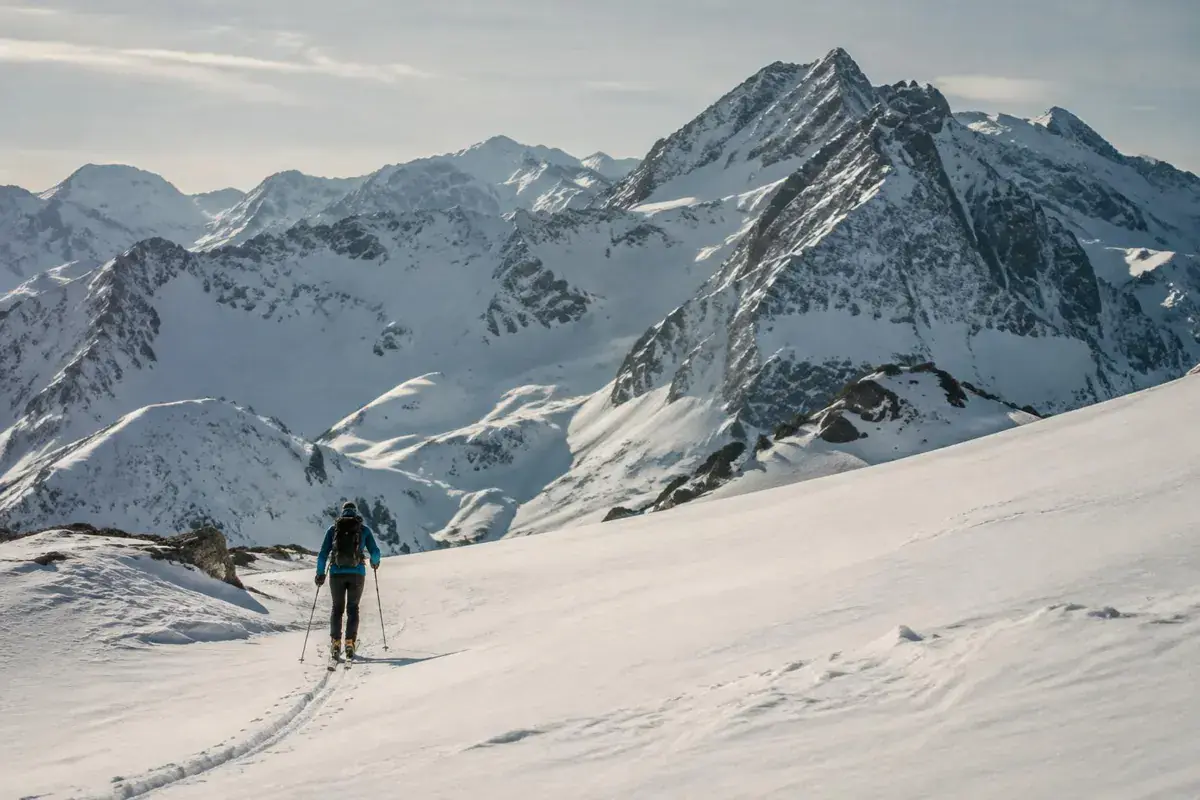
Ski touring: getting started safely
Gear, guidance, reading the avalanche bulletin: the basics before your first outing.
Start with supervised learning
Ski touring combines movement on skis with decisions in snowy terrain. Feeling comfortable on a piste is not enough to understand the risks encountered elsewhere. Begin with a qualified professional and explain your actual experience. Your first outing should leave room for learning, questions and changes of plan. A modest objective helps you stay available for instructions rather than concentrating only on the destination. It also makes it easier to discuss uncertainty without feeling that you are holding the group back.
Read conditions without oversimplifying
The weather and snow conditions contribute to the choice of outing. Consult the available information, including the avalanche bulletin, then discuss its implications for the proposed plan with your guide. A bulletin is not permission to travel through any terrain. Understanding it requires learning that general advice cannot replace. Do not base your decision on an impression of pleasant weather or the presence of tracks. Neither tells you everything you need to know about the ground ahead.
Conditions can change and differ between slopes. Keep that uncertainty in your preparation and group discussions. A different route or a decision to turn back does not mean the outing has failed. It can be an appropriate response when the situation no longer matches the plan. The supervising professional needs space to make such decisions without pressure from a promised destination or an expectation of performance. Make it clear that learning matters more than completing a particular objective.
Understand your equipment
Have the suitability of your equipment checked and learn to use it before committing to the outing. Transitions between climbing and descending deserve an explanation in an appropriate environment. Specialist safety equipment should be chosen with competent advice and accompanied by training in its use. Carrying it does not make a trip safe on its own. Mention any unfamiliar or uncomfortable equipment, or anything whose operation seems uncertain, before it becomes a problem away from your starting point.
- Describe your experience and limitations honestly.
- Follow preparation and movement instructions.
- Keep your attention available for changing conditions.
- Tell the group when you feel tired or concerned.
Practical information
Prepare your introduction with qualified supervision. Terrain selection, snow assessment and the use of safety equipment require specific learning.
Leave room for the return
The descent comes after you have already made an effort. Remember this when choosing a pace and mention fatigue before it restricts your confidence. Decisions should reflect the whole group, not only its fastest member. Afterwards, revisit the movements you learnt and the points that still feel unclear. Progress also means recognising what you cannot yet assess and seeking appropriate support rather than assuming that completing an outing has removed those uncertainties.
Further reading
Winter
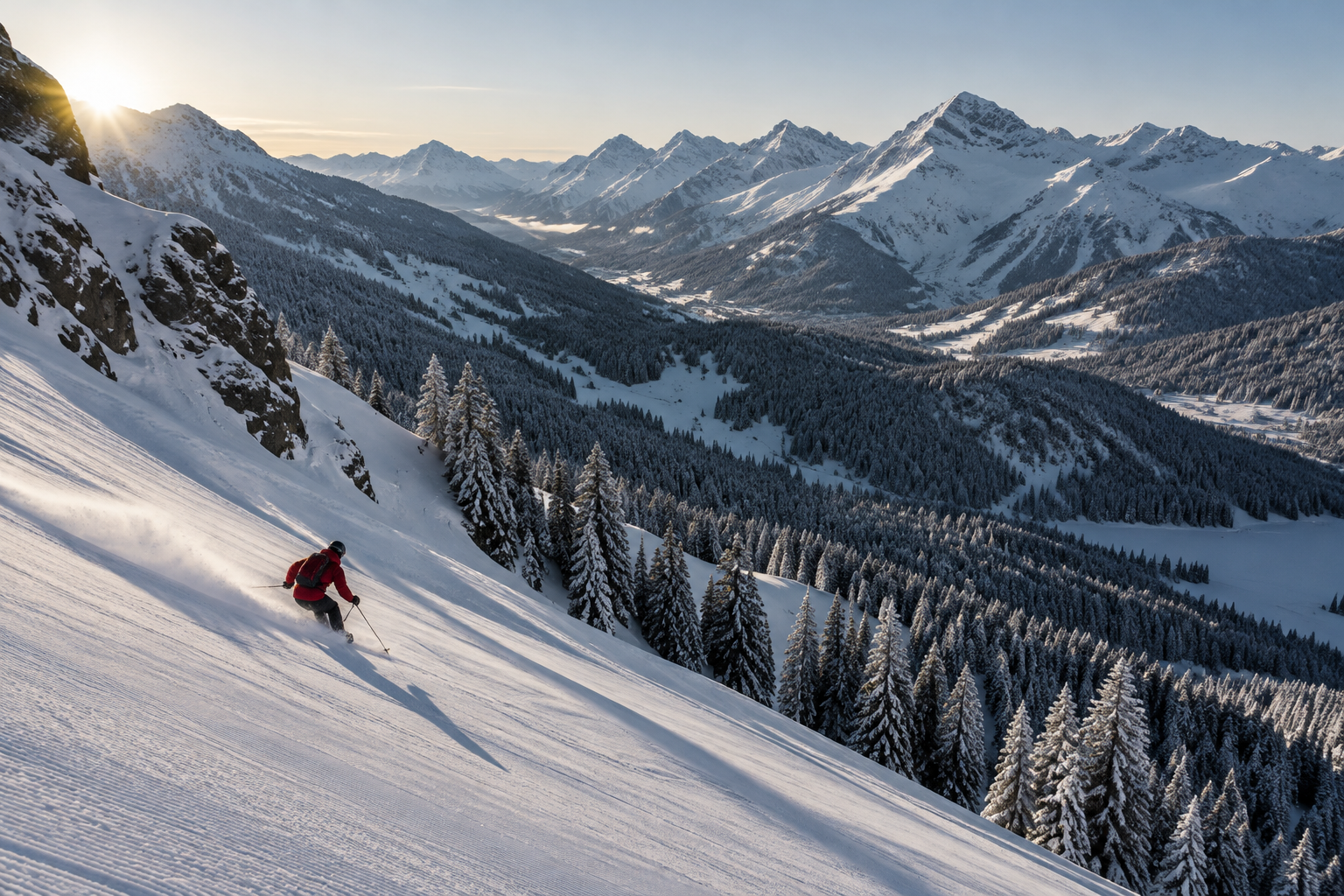
Puy-Saint-Vincent: two days of north-facing skiing
At the top of the ski area, above 2,700 m, the pistes of Puy-Saint-Vincent drop due north towards the forest, facing the ridges of the Écrins National Park. The resort opens on 12 December 2026: now is the time to book a weekend to ski fast and long.
Cycling & mountain biking
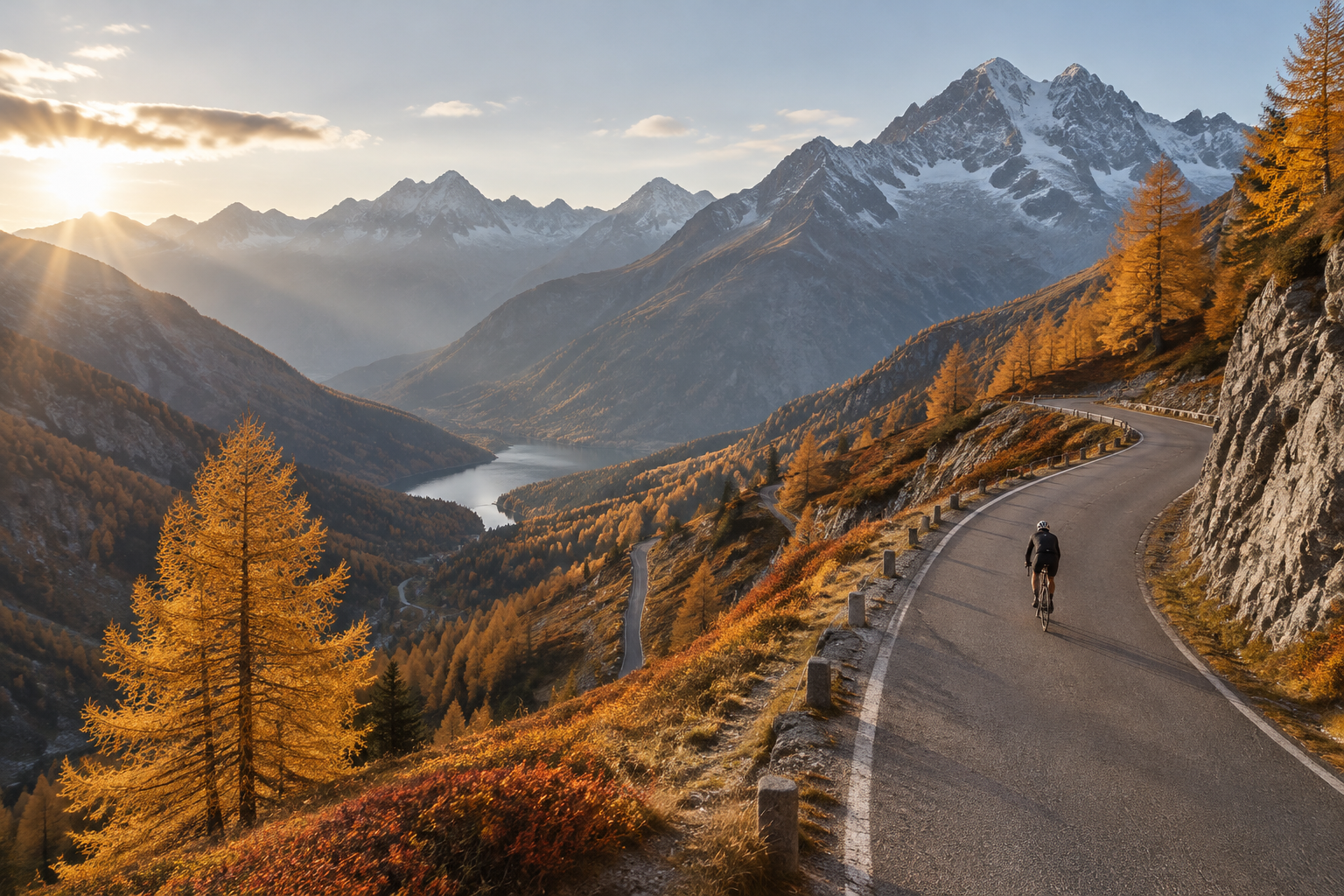
Hautes-Alpes: Granon and Orpierre, 19–25 October
Cycle the Granon on Thursday 22 October or visit Orpierre’s traditional fruit market on Saturday 24: two confirmed events to plan a Hautes-Alpes outing without crossing the whole department.