

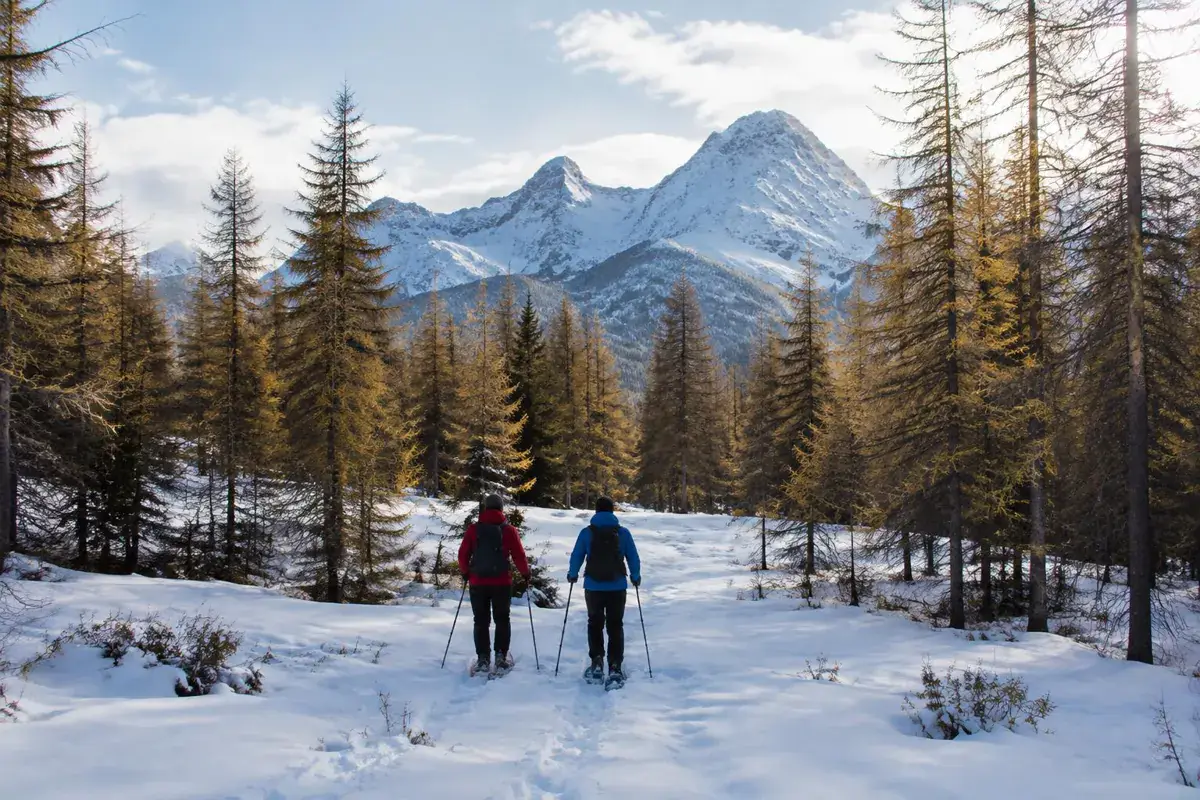
Snowshoeing: how to choose your route
Elevation gain, exposure, duration: our criteria for a great outing, from beginner to experienced.
Choose the terrain before the destination
Snowshoes can help you explore snowy landscapes, but they do not make every slope suitable for a walk. Choose an itinerary according to your experience, your current fitness and the needs of your companions. Consider the whole outing rather than selecting an attractive destination alone. A simpler plan can leave more attention for the landscape and for noticing how you feel. Your objective should support a comfortable experience, not become a reason to ignore uncertainty along the way.
Check the available information
Consult the weather forecast and local guidance on conditions and recommended itineraries. Snow can conceal the path or change how easy it is to move. Information useful outside winter is therefore not enough to prepare a snowy outing. If you cannot assess terrain exposure or snow-related risks, seek qualified accompaniment. Do not commit simply because other people have left tracks. Their experience, equipment and understanding of the conditions may be different from yours, and the situation may have changed.
A route described as easy still needs to suit the day’s conditions and your group. Check information before leaving and retain an alternative. Returning may demand more attention when fatigue develops or visibility worsens. Anticipating that possibility helps you decide without rushing. Changing the programme is preferable to continuing towards an objective that no longer feels appropriate. Discuss that principle beforehand so nobody feels obliged to keep going to satisfy the expectations of others.
Prepare suitable equipment
Have the snowshoes and their adjustments checked if you are unfamiliar with the equipment. Clothing should help you manage both movement and stops while limiting damp. Protect anything that needs to remain dry and keep useful items accessible. Arrange navigation, drinking water and communication without assuming that your phone will be available in every situation. Equipment cannot replace attentive observation of the ground or a cautious decision. Ask about anything you do not understand before the group leaves its starting point.
- Choose an outing compatible with everyone in the group.
- Check conditions and local indications.
- Mention discomfort or fatigue promptly.
- Keep an option to return without reaching the destination.
Key takeaway Snowshoes help with some movement through snow, not with assessing risks. Unfamiliar terrain or uncertain information is a reason to seek qualified advice.
Stay attentive while walking
Match the pace to whoever needs more comfort. Notice changes in visibility, your confidence and developing fatigue. Group decisions should be open to discussion without pressure. Do not leave the indications of a suitable itinerary to follow tracks that appear more direct. Afterwards, reflect on what helped and what should be reconsidered. These observations can inform your next experience while remembering that snow and weather conditions can change, even on a route you have already used.
Further reading
Winter
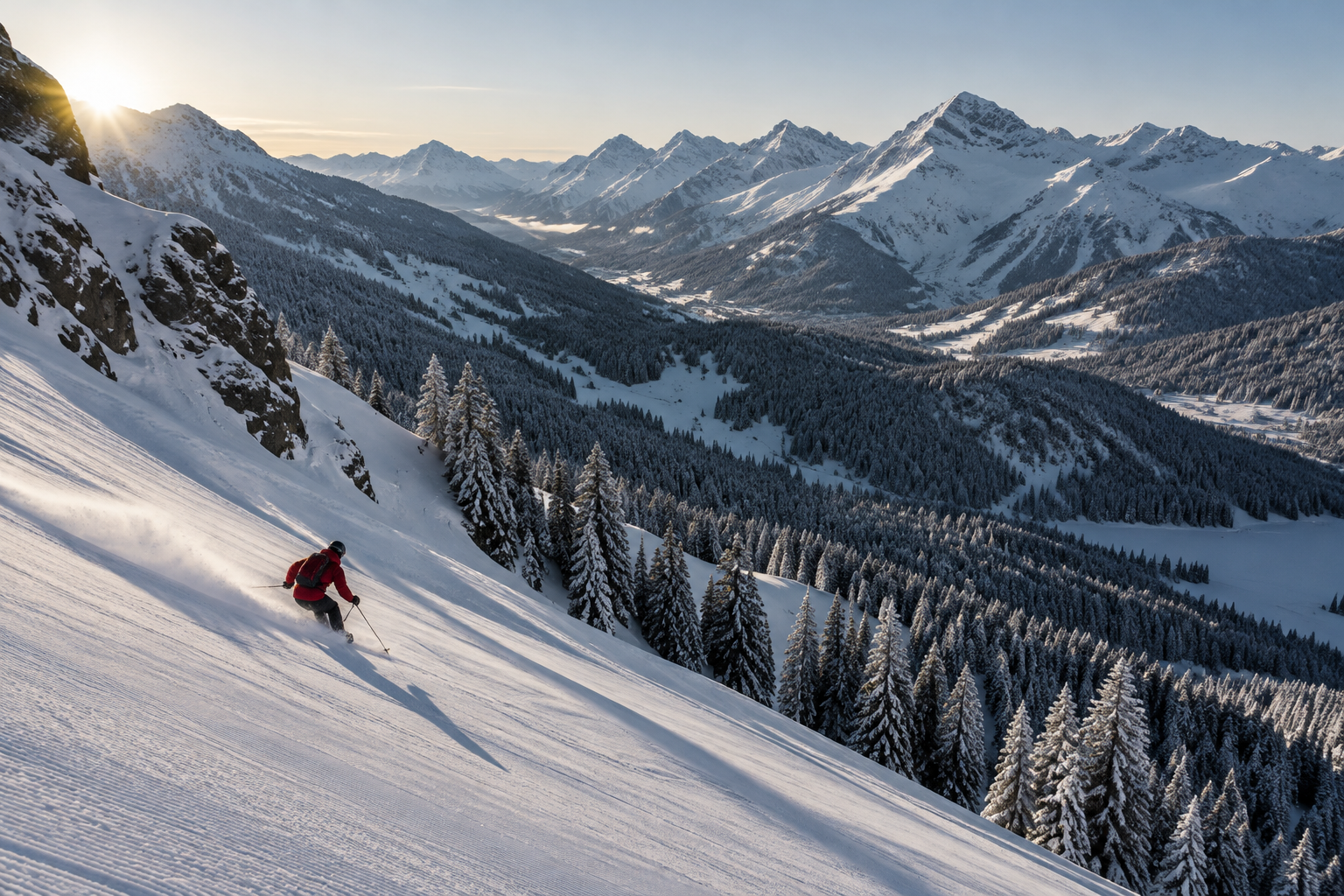
Puy-Saint-Vincent: two days of north-facing skiing
At the top of the ski area, above 2,700 m, the pistes of Puy-Saint-Vincent drop due north towards the forest, facing the ridges of the Écrins National Park. The resort opens on 12 December 2026: now is the time to book a weekend to ski fast and long.
Cycling & mountain biking
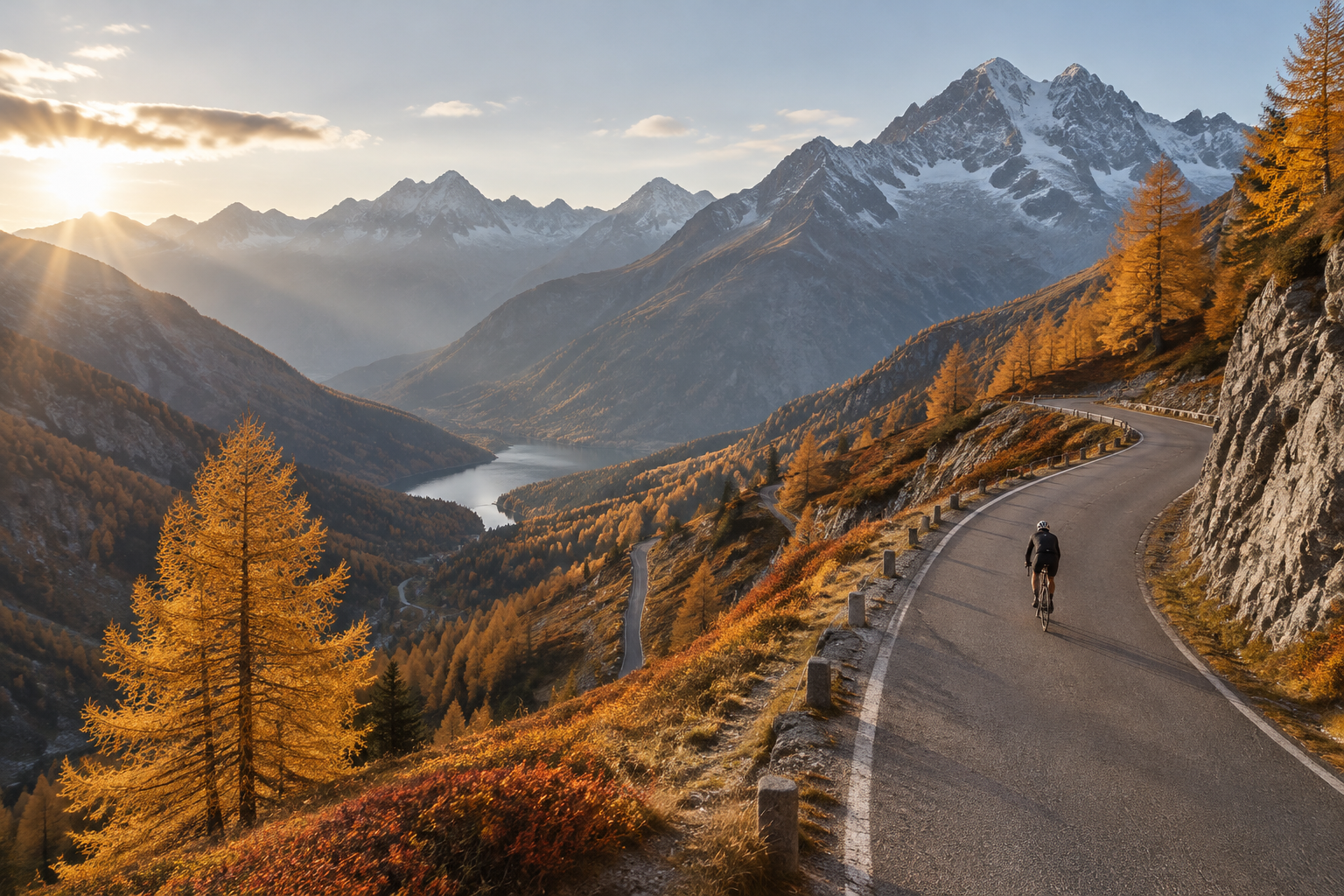
Hautes-Alpes: Granon and Orpierre, 19–25 October
Cycle the Granon on Thursday 22 October or visit Orpierre’s traditional fruit market on Saturday 24: two confirmed events to plan a Hautes-Alpes outing without crossing the whole department.