

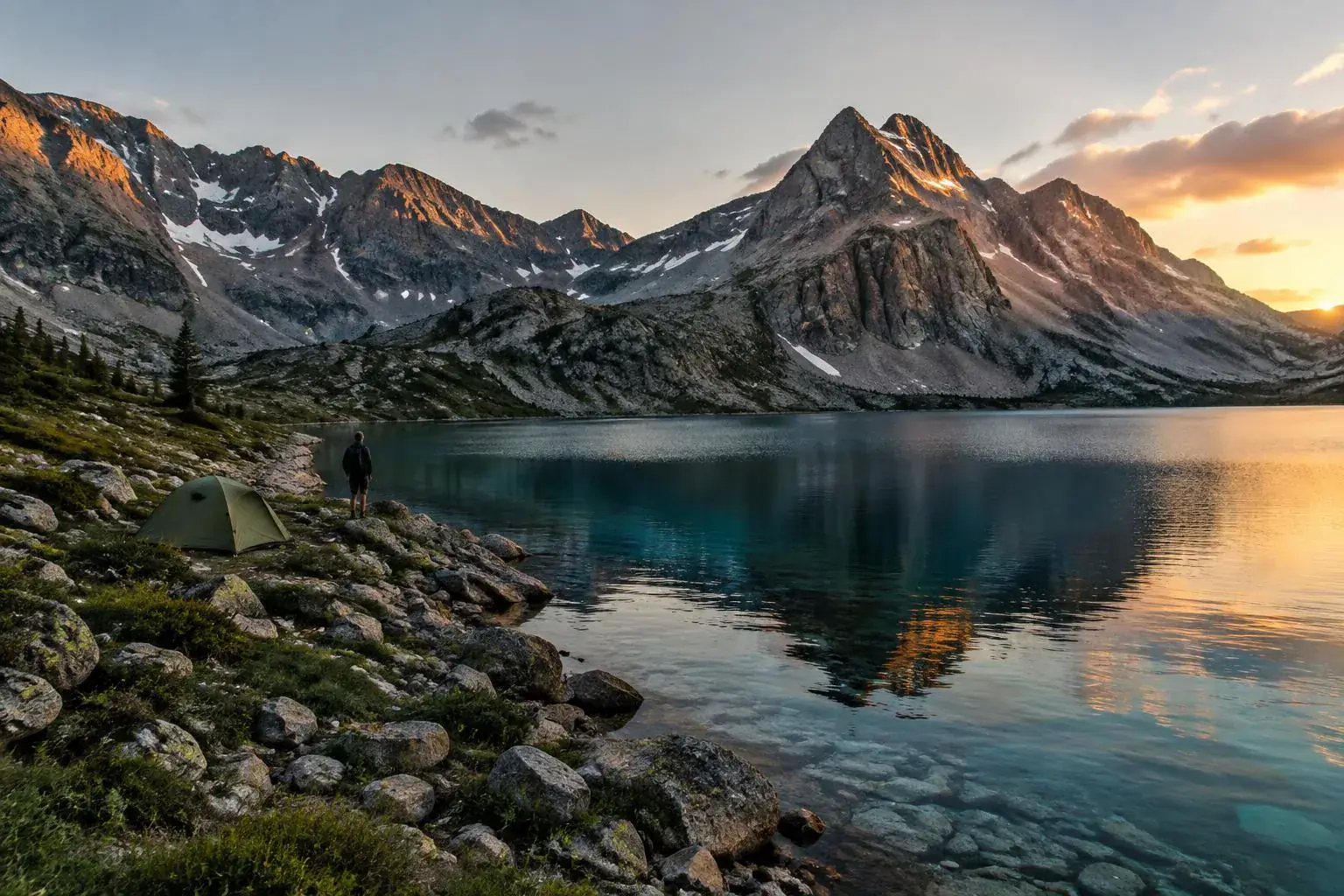
Alpine lakes: how to choose your first bivouac spot
Altitude, access, regulations, weather: what to check before pitching your tent by a mountain lake.
Choose a manageable plan
A bivouac near a mountain lake starts with a practical decision: choose an outing you can manage without putting yourself under unnecessary pressure. A photograph tells you little about the ground, the effort of returning or the available alternatives. Consider the whole route alongside your actual experience and that of your companions. A less ambitious objective can leave more room for observation, rest and a calm arrival. Treat the overnight stay as part of the journey rather than a reward that must be reached.
Check before setting off
Read the weather forecast and the local information available. Consider how wind, rain or falling temperatures might change your outing. Conditions beside the water may differ from those at your starting point. If something remains uncertain, adjust the plan instead of relying on an improvement. Identify a return route and an alternative that does not depend on reaching the lake. Share these options with your companions before you leave so everyone understands the choices available.
Permission to sleep outdoors cannot be inferred from a map symbol or the presence of other tents. Ask the appropriate local contacts about the rules applying to the area and your intended period. Follow the guidance you receive and do not set up if you cannot establish what is permitted. These checks belong in your preparation just as much as choosing a shelter or packing suitable clothing. Avoid treating an account of someone else’s trip as current permission.
Prepare a discreet camp
Your equipment should suit the expected conditions and your ability to carry it. Check your shelter, sleeping equipment, clothing and protection against damp before leaving. Practise with unfamiliar equipment somewhere comfortable: improvising when tired makes straightforward tasks harder. Keep useful items accessible and protect anything that needs to stay dry. Do not assume that lake water is safe to drink. Plan how you will carry and manage water without relying on an unverified supply.
- Arrange water management to suit your outing.
- Take your rubbish away and protect vegetation.
- Avoid disturbing wildlife or other visitors.
- Keep an option to leave if conditions change.
Key takeaway An attractive landscape does not guarantee a suitable camping spot or a comfortable night. Checking conditions and local rules comes before choosing the view.
Be willing to change the objective
As you walk, notice your fatigue and changes in the sky. Everyone in the group should be able to discuss a different plan without pressure. Turning back is a sensible choice if the ground becomes uncomfortable or your safety margin narrows. Leave your stopping place clean and discreet in the morning. The return deserves the same care as the outward journey: pack without rushing and assess conditions again rather than assuming the route remains unchanged.
Further reading
Hiking & trail running
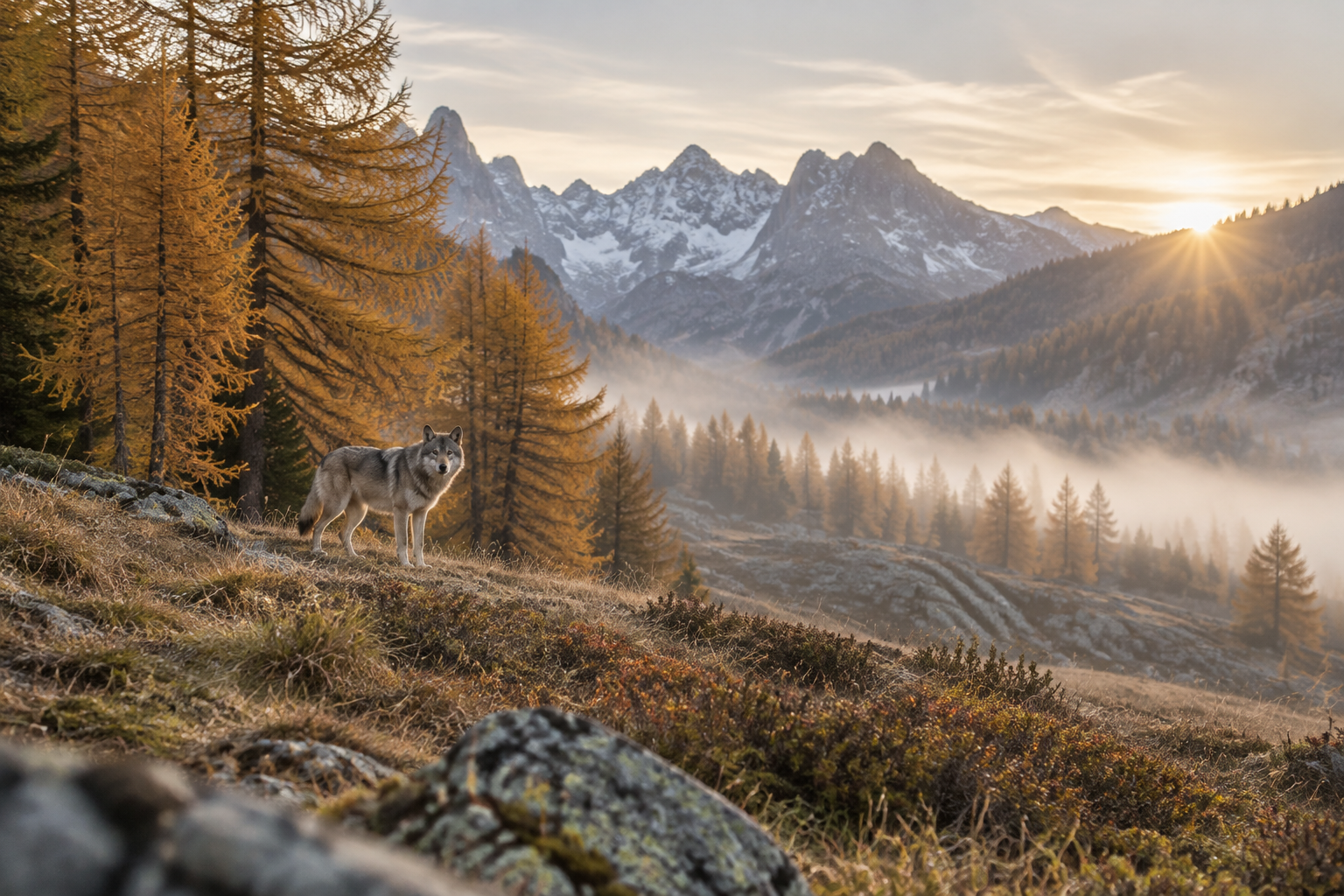
Six years tracking a she-wolf in the Briançonnais
For six years, Corentin Esmieu watched the same she-wolf in a valley in the Briançonnais, without camera traps, relying solely on direct observation. The film he co-directed with Baptiste Deturche, Louve, une vie dans les Alpes, hits cinemas on 4 November 2026; the she-wolf herself remains out of reach, and that is just as it should be.
Hiking & trail running
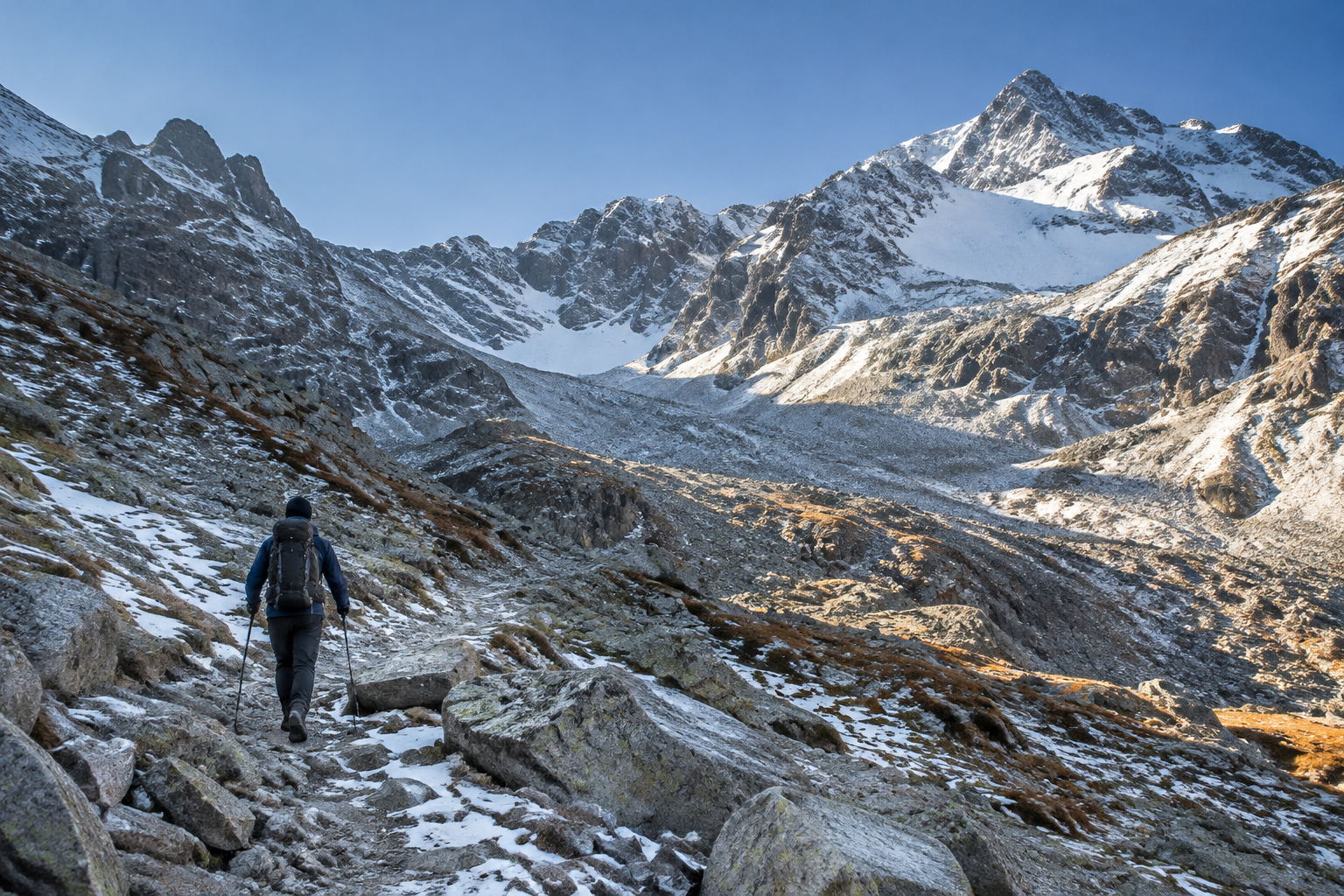
Traversette Tunnel: the gate is shut until 2027
On the French side, the gate installed in 2023 once again bars the entrance to the oldest tunnel in the Alps, bored in 1480 beneath the Col de la Traversette. Winter has gripped the Upper Queyras since 18 October: no more hikers will pass through to Italy before late spring or early summer 2027.