

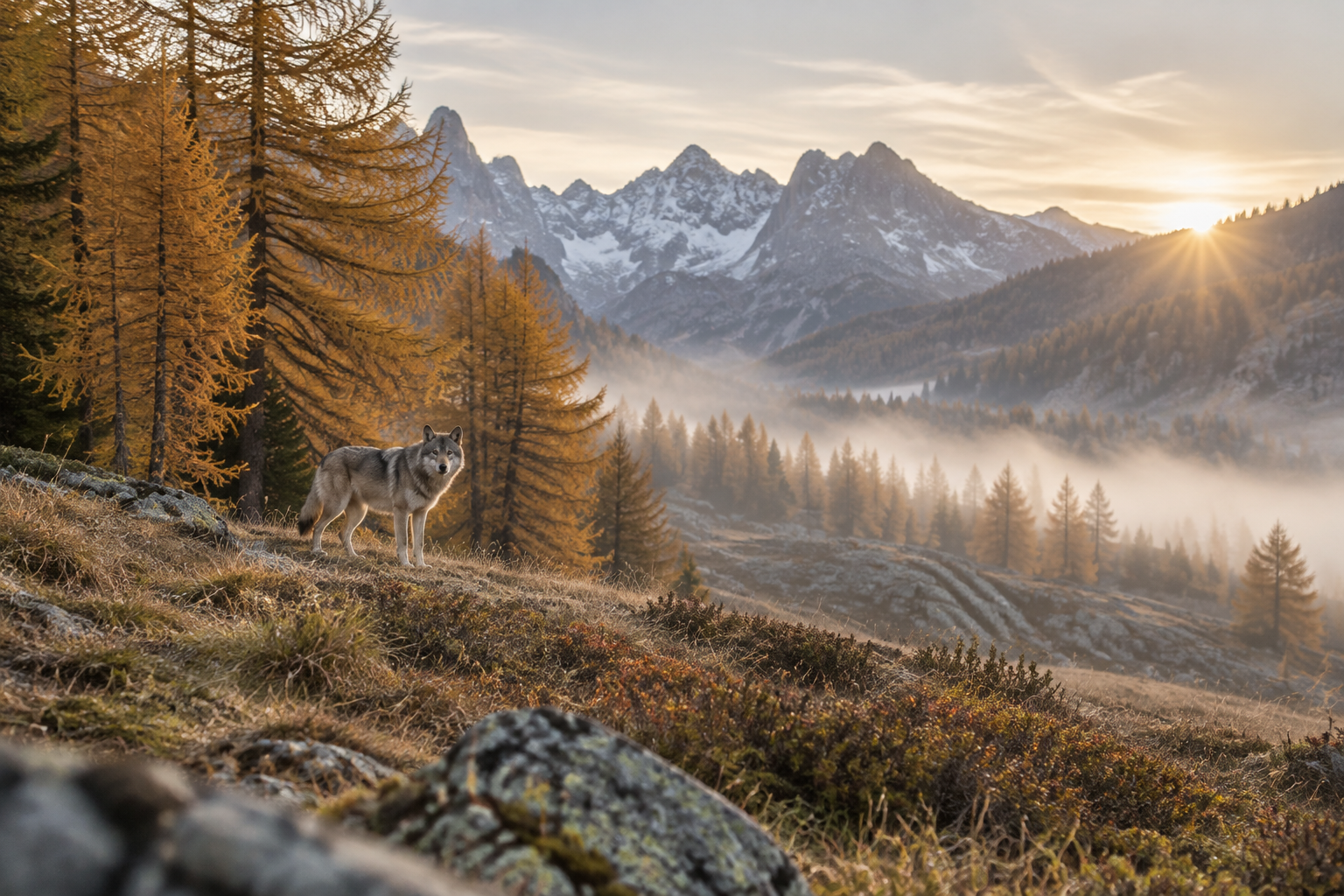
Six years tracking a she-wolf in the Briançonnais
For six years, Corentin Esmieu watched the same she-wolf in a valley in the Briançonnais, without camera traps, relying solely on direct observation. The film he co-directed with Baptiste Deturche, Louve, une vie dans les Alpes, hits cinemas on 4 November 2026; the she-wolf herself remains out of reach, and that is just as it should be.
For six years, Corentin Esmieu watched the same she-wolf in a valley in the Briançonnais, without camera traps, relying solely on direct observation. The film he co-directed with Baptiste Deturche, Louve, une vie dans les Alpes, hits cinemas on 4 November 2026; the she-wolf herself remains out of reach, and that is just as it should be.
At a glance
- What: Louve, une vie dans les Alpes, a wildlife documentary by Baptiste Deturche and Corentin Esmieu, drawn from six years of following a wild she-wolf.
- Where: A valley in the Briançonnais, in the Écrins massif. The precise location has not been disclosed.
- When: Cinema release on 4 November 2026. ASPAS screening debates will take place on dates yet to be confirmed.
- Who for: Wildlife enthusiasts, hikers and photographers curious about wolves.
- Access: The she-wolf and her pack live in the wild. No visits or tracking outings are offered. The film can be seen in cinemas.
Fifteen years on watch in his own valley
Corentin Esmieu is no passing photographer. A qualified mountain leader and author of two books, he encountered his first wolf some fifteen years ago in the mountains he has roamed since childhood. The camera only came later, ten years ago, to keep a record of these sightings. Since then, he has lived mostly outdoors, waiting for a grey silhouette along the forest edge.
Such patience eventually formed a narrative. 'It is the story of a she-wolf I have followed for the past six years,' he told Le Dauphiné Libéré. The headline of the interview suggests the familiarity runs both ways: after repeatedly crossing paths with the same man in the Briançonnais, the she-wolf has probably learnt to recognise him.
A film shot without a single camera trap
Baptiste Deturche has been filming high-altitude wildlife for the cinema for ten years, from Sweden to Ethiopia, via the Alps and the Pyrenees. The two men teamed up in 2023. Their approach was uncompromising: only wild, free-ranging wolves, filmed through direct observation in the Écrins massif, without automated cameras triggering in their place. ASPAS, which backs the project, presents it as the first feature-length wildlife film on wolves shot in France without camera traps.
In practice, every single shot means a person was standing there, motionless, at just the right moment. The camera adopts the animal's perspective rather than that of the observer.
Why focus on a female wolf
The choice is far from sentimental. Within a wolf pack, the female plays a pivotal role in group organisation, and the directors wanted to put her centre stage. The film follows her life across a changing landscape under pressure from human activity. It tackles the challenges the species faces, its behavioural adaptations, its role in the ecosystem, and the bonds between pack members.
Context matters. The wolf returned to France on its own in the early 1990s, and its natural return to the Hautes-Alpes dates back several decades. Its presence remains a sensitive topic in pastoral valleys. This film provides rare material: behaviour observed over time, rather than nighttime silhouettes captured by an automated box.
What you will see, and what you will not
The valley is left unnamed, and no guided outings are offered to approach this she-wolf. That fits the ethos: publicising an observation site would draw crowds and disturb the pack. This story is meant to be discovered on the big screen, from 4 November 2026. Regional branches of ASPAS are also organising screening debates across France: check the film's page and your local cinema listings.
Out on the trails, encountering a wolf remains rare and a matter of chance. A hike in the Écrins is rewarding enough without that expectation, and tracks or signs of presence are often plenty to make an outing compelling.
Walking in wolf country: sensible habits
- Head out during quiet hours. Wildlife is most active at dawn and dusk. A pair of 8x42 binoculars is far better than a heavy zoom lens for watching without getting too close.
- Read the ground rather than the skyline. Look out for tracks in mud or early snow and droppings along trails. Take notes and photos, but never follow a fresh trail.
- Keep your sightings to yourself. Never share the exact location of a wolf or its resting site on social media.
- Give guarded flocks a wide berth. If you encounter livestock guardian dogs, make a wide detour at a steady pace, without running or raising your walking poles.
- Keep your distance. The wolf is a protected species. If you spot one, stop, observe, then let it move on.
Wildlife hiking contacts (independent of the film)
These contacts have no link to Corentin Esmieu or the film, and none promises a wolf sighting.
- Maison du Parc national des Écrins (Champsaur): in Pont-du-Fossé, practical information, hiking advice and an exhibition to help prepare a trip into the national park.
- Bureau des Guides et Accompagnateurs des Écrins: based in Vallouise-Pelvoux, qualified leaders run summer and winter outings in the heart of the massif.
- Luc Bernard, accompagnateur en montagne: further south, in the Dévoluy, outings dedicated to local flora and fauna.
Practical information
- Film: Louve, une vie dans les Alpes, by Baptiste Deturche and Corentin Esmieu, in cinemas from 4 November 2026. More info
- Trailer: The official trailer is available online. More info
- Screening debates: Hosted by regional ASPAS delegations, dates to be announced shortly. More info
- Interview: Corentin Esmieu's account, published on 29 October 2026. More info
Practical questions
Can you go and see the she-wolf from the film? No. She lives in the wild in an unnamed Briançonnais valley, and no tracking trips or visits are available.
Were the scenes captured using camera traps? No. The film relies entirely on direct observation footage of wild wolves, shot in the Écrins massif.
How can I find out where the film is showing near me? The film opens in cinemas on 4 November 2026. Check your local cinema listings and the ASPAS website, which will publish dates for its screening debates.
Source : Le Dauphiné Libéré, 29 October 2026
Further reading
Hiking & trail running
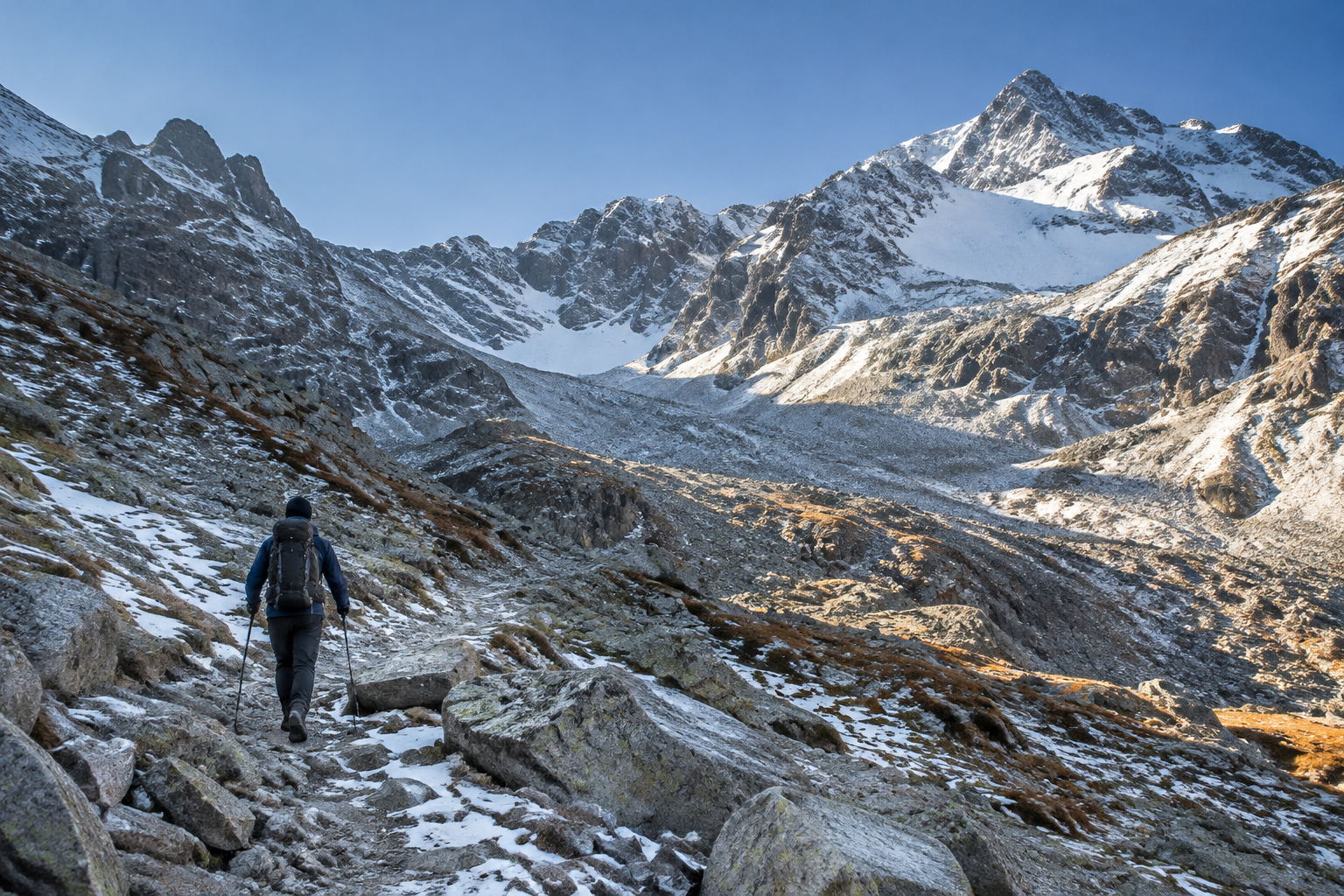
Traversette Tunnel: the gate is shut until 2027
On the French side, the gate installed in 2023 once again bars the entrance to the oldest tunnel in the Alps, bored in 1480 beneath the Col de la Traversette. Winter has gripped the Upper Queyras since 18 October: no more hikers will pass through to Italy before late spring or early summer 2027.
Hiking & trail running
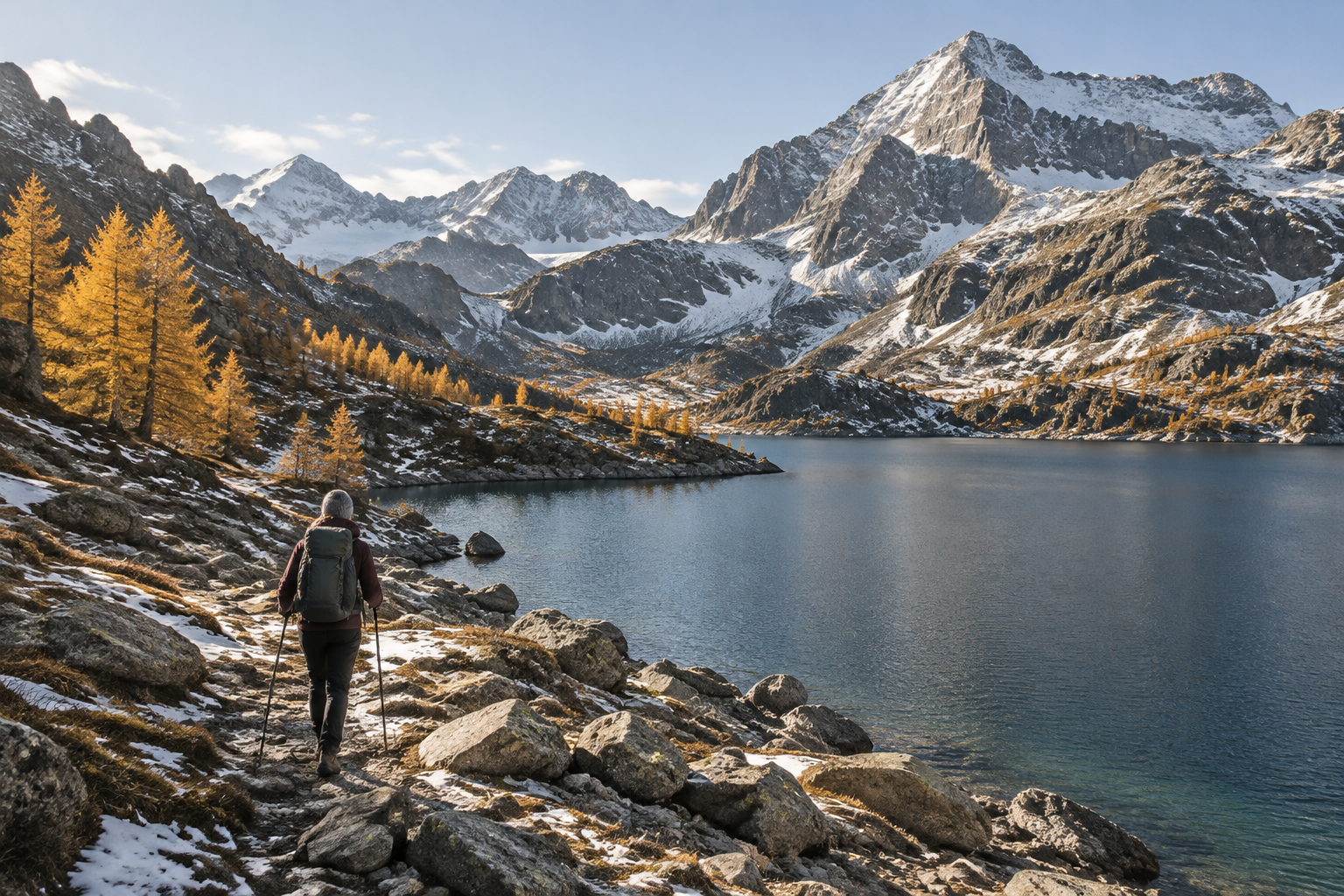
Lac Sainte-Anne: hike above Ceillac before the snow
Above Ceillac's last larches, a rocky bowl at 2,414 m holds the Queyras's largest glacial lake. The path is reported passable until 1 November, snow permitting: you have two weekends left to head up.