

Traversette Tunnel: the gate is shut until 2027
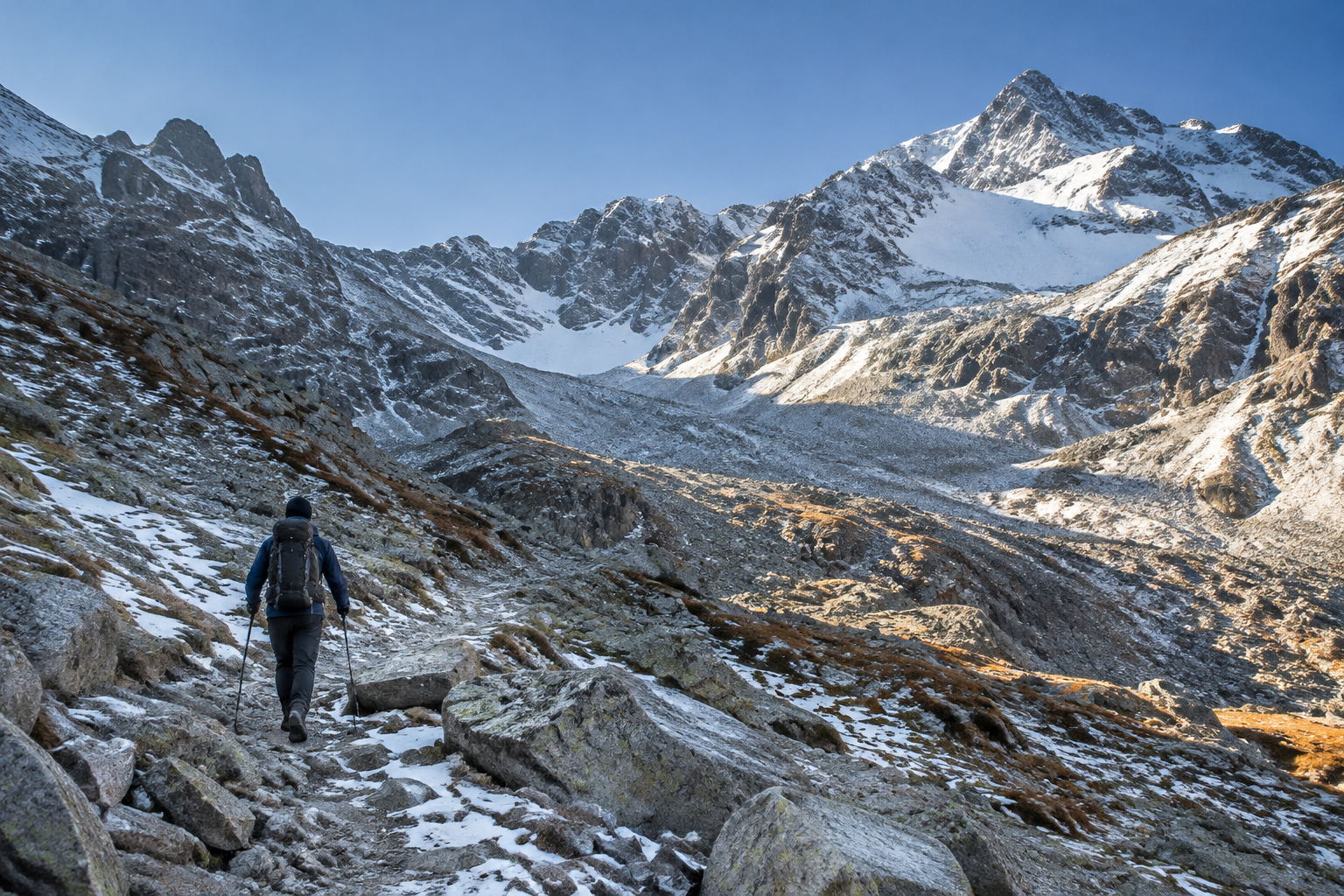
On the French side, the gate installed in 2023 once again bars the entrance to the oldest tunnel in the Alps, bored in 1480 beneath the Col de la Traversette. Winter has gripped the Upper Queyras since 18 October: no more hikers will pass through to Italy before late spring or early summer 2027.
On the French side, the gate installed in 2023 once again bars the entrance to the oldest tunnel in the Alps, bored in 1480 beneath the Col de la Traversette. Winter has gripped the Upper Queyras since 18 October: no more hikers will pass through to Italy before late spring or early summer 2027.
At a glance
- What: winter closure of the Traversette Tunnel, the historic footpath between the Queyras and the Italian flank of Mont Viso.
- Where: beneath the border pass of the Col de la Traversette, above Ristolas (Abriès-Ristolas), in the Ristolas-Mont-Viso National Nature Reserve.
- When: closed since 18 October 2026. Reopening in late spring or early summer 2027, depending on snow conditions.
- Access: closed to the public. Crossing into Italy through the tunnel is impossible until it reopens.
- Who for: in season, hikers comfortable in high-mountain terrain, on foot only.
- Price: free access in season.
A gate shut since 18 October
This year, the closure comes late. Thanks to a mild start to autumn, the pass remained open every day from 28 June. Winter's arrival in the area on 18 October brought the season to an end. According to Le Dauphiné Libéré, the Traversette is the first route into the Queyras to close for the winter.
The reason lies in the rock: repeated freezing and thawing damages the tunnel and its surroundings. Since 2023, a gate fitted on the French side protects the entrance during the harsh months. Built by Régis Pellissier in Château-Ville-Vieille, it was funded by an exceptional grant from Dreal PACA. At the start of each summer, snow must be cleared from it before opening.
A salt shortcut over five centuries old
The Marquis of Saluzzo commissioned the tunnel in 1480 for the salt trade between France and Italy. It was known then as the 'pertuis du Viso'. On the Italian side, the tunnel emerges beneath Mont Viso, overlooking the upper Po Valley. On the French side, you reach it across a scree cone, made safe by a 17-metre artificial gallery.
The structure was restored in 2014 by the Piedmont Region, the Parco del Monviso and the Ristolas-Mont-Viso Nature Reserve, managed by the Queyras Regional Natural Park. Today, it is mainly hikers doing the Tour du Viso who await its reopening.
End of season: rethink your route
Were you planning to complete the Tour du Viso or cross into Italy via the Traversette before the end of autumn? Change your plans: no variant through the tunnel is possible before 2027. With snow settled at altitude, the approaches to the pass are no longer hiking terrain. They turn into winter high-mountain terrain, reserved for well-equipped, experienced mountaineers.
For a late October outing in the Queyras, aim lower and shorter. Stick to sunny slopes and leave plenty of time in hand, as daylight fades fast. If the snow tempts you, another season is beginning: ski touring and snowshoeing. Head out with a professional unless you know how to read an avalanche report. Essential safety habits are gathered in our Mountain safety guide.
Our advice for tackling the Traversette in 2027
- Call ahead the week of your trip. The reopening date depends on snow cover. The Guillestrois-Queyras tourist office will confirm if the gate is open.
- Have a plan B without the tunnel. Early in the season, opening can be delayed. Prepare an alternative route that does not rely on the Traversette.
- Wear high-cut hiking boots. The scree cone shifts underfoot: ankle-high boots and trekking poles make the approach safer. If hard snow patches remain and you have neither crampons nor experience, turn back.
- Pack a headtorch. A tunnel cut through rock stays dark, even a short one.
- Respect the nature reserve. Before setting off, check the rules of the nature reserve (dogs, wild camping, foraging).
Our local addresses
- Refuge du Viso: at 2,460 m, facing Mont Viso. Allow 2 hours 30 minutes of walking and 680 m of ascent from La Roche Écroulée. 65 beds, for a night at the foot of the peak when the season resumes.
- Bureau des Guides en Queyras: based in Saint-Véran, offering ski touring and ice climbing in winter, and mountaineering, rock climbing and via ferrata in summer.
- Fort Queyras: a medieval castle perched at 1,400 m above the Guil gorges, redesigned by Vauban, for a heritage day in the valley.
Practical information
- Status: closed since 18 October 2026, reopening in late spring or early summer 2027 depending on snow conditions. More info
- 2026 season: from 28 June to 18 October, daily, depending on snow conditions.
- Price: free access, on foot only.
- Location: Ristolas, 05460 Abriès-Ristolas, GPS 44.710478, 7.066161. GPX track
- Contact: Guillestrois-Queyras tourist office, 04 92 46 76 18.
- Reason for closure: frost, thaw and rock protection. More info
- Original article: Le Dauphiné Libéré
Practical questions
Can you still cross into Italy through the tunnel this autumn? No. The tunnel has been closed to the public since 18 October 2026 and crossing between France and Italy via the gallery is impossible until it reopens.
When will it reopen? In late spring or early summer 2027, depending on snow conditions. In 2026, it opened on 28 June.
Do you have to pay to go through? No. In season, access is free and open to all, on foot only.
Source : Le Dauphiné Libéré, 27 October 2026
Further reading
Hiking & trail running
Six years tracking a she-wolf in the Briançonnais
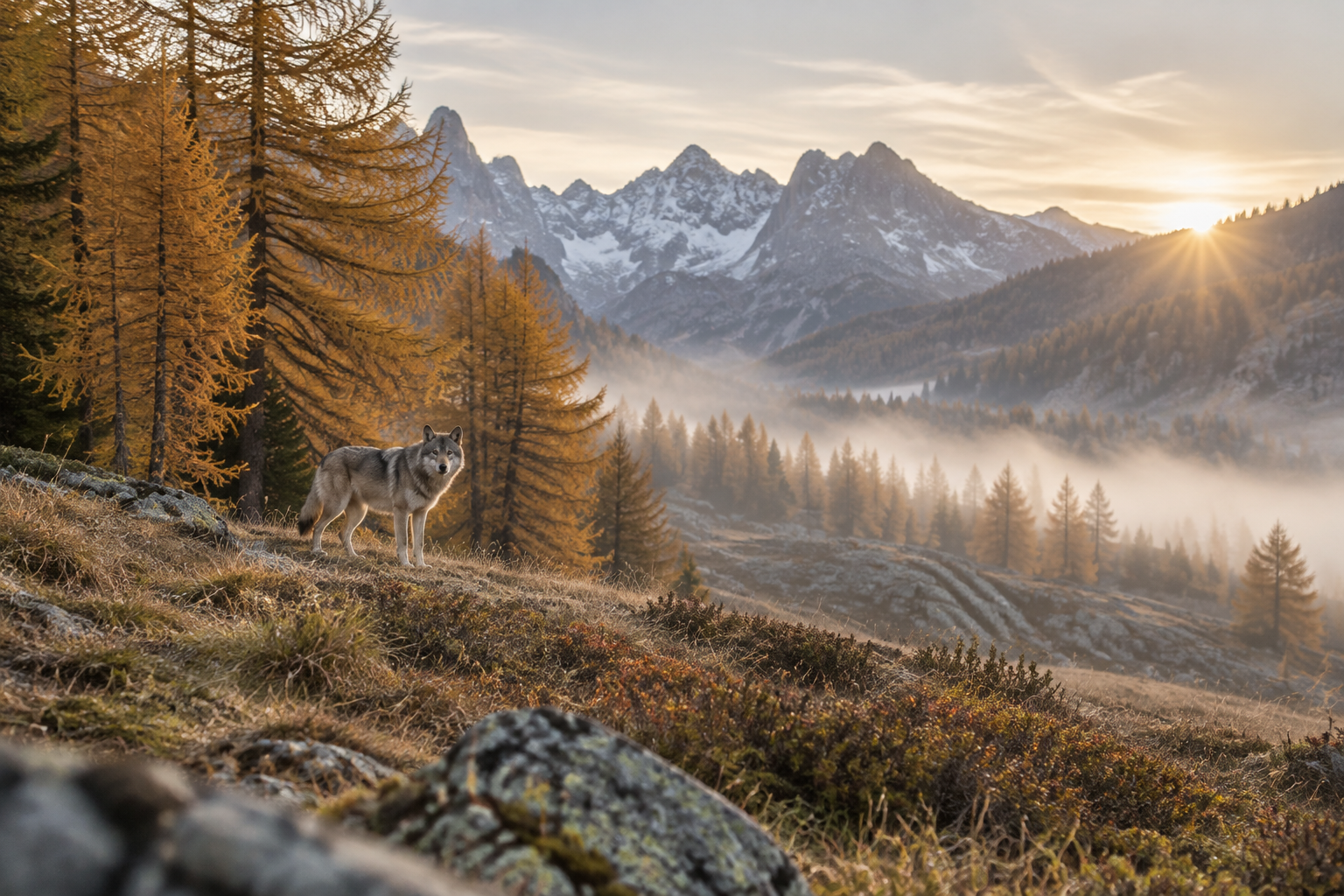
For six years, Corentin Esmieu watched the same she-wolf in a valley in the Briançonnais, without camera traps, relying solely on direct observation. The film he co-directed with Baptiste Deturche, Louve, une vie dans les Alpes, hits cinemas on 4 November 2026; the she-wolf herself remains out of reach, and that is just as it should be.
Hiking & trail running
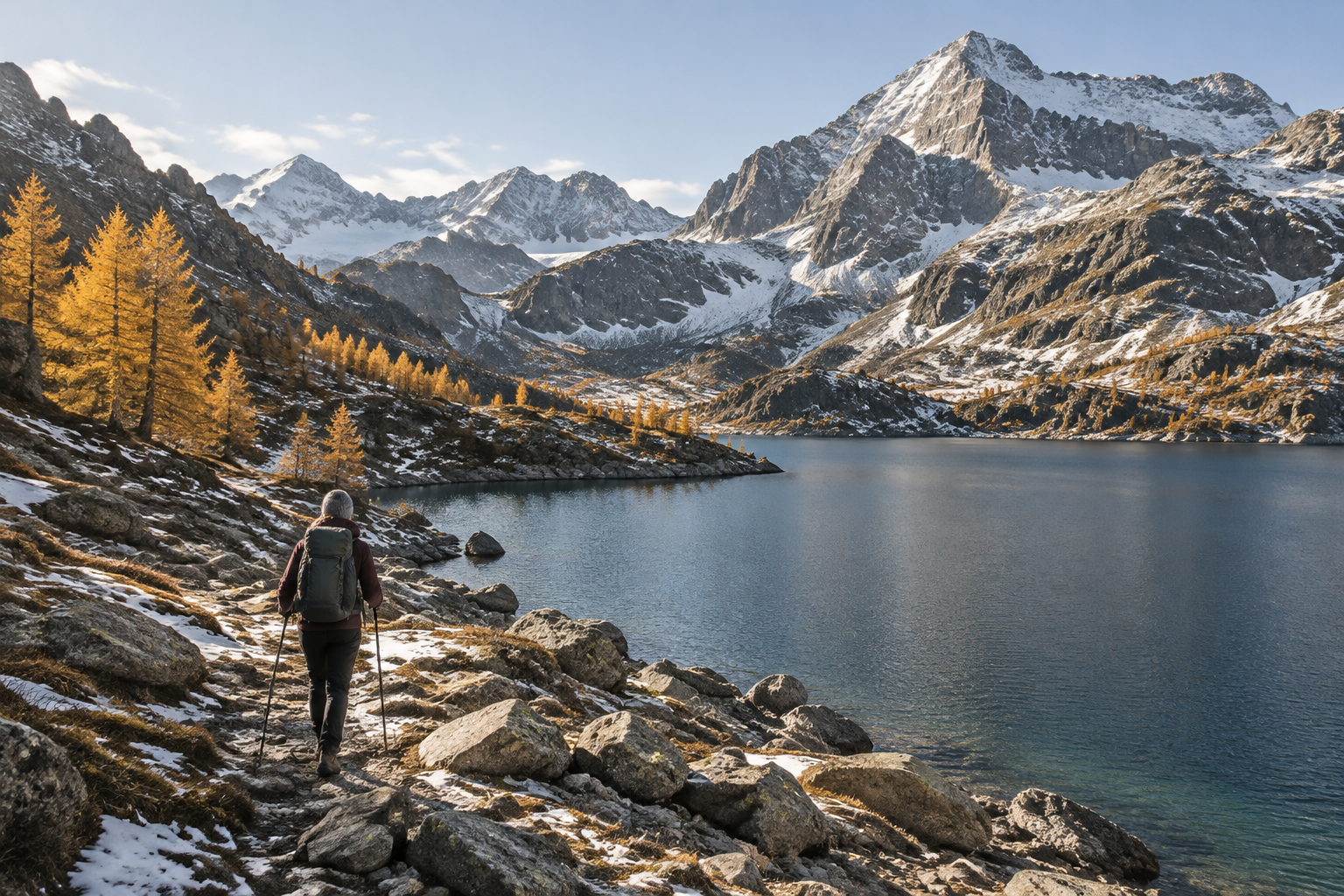
Lac Sainte-Anne: hike above Ceillac before the snow
Above Ceillac's last larches, a rocky bowl at 2,414 m holds the Queyras's largest glacial lake. The path is reported passable until 1 November, snow permitting: you have two weekends left to head up.