

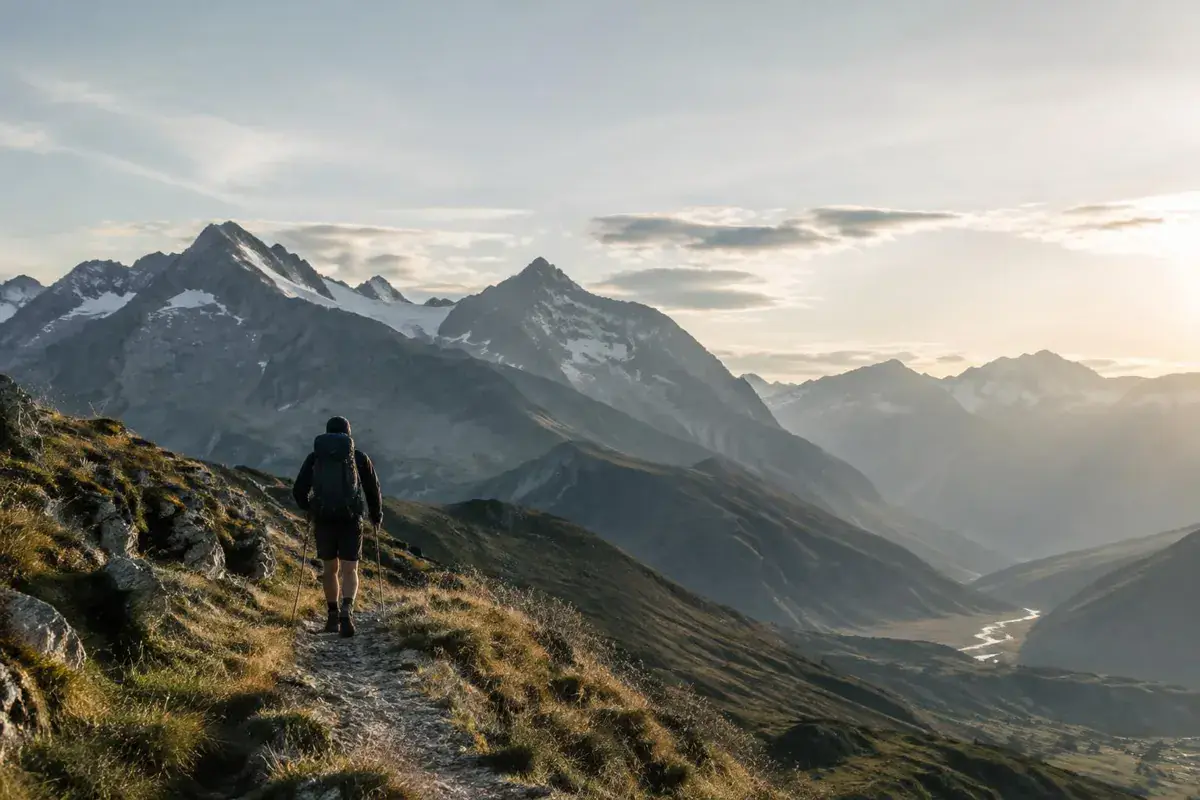
Packing your bag for a day in the mountains
Layers, water, first-aid kit, map: our checklist, season by season.
Begin with the actual outing
Packing for a day in the mountains begins with examining your plan. The terrain, forecast conditions, your confidence and the group’s needs matter more than a checklist copied without thought. Choose equipment that makes sense for what you intend to do and the changes you might encounter. A well-prepared bag should remain practical when you are tired, the weather deteriorates or the programme changes. Preparation is about being able to use what you carry, not simply owning items associated with outdoor activities.
Arrange clothing and water
Choose clothing that lets you adjust your comfort during movement and stops. Protection from wind and damp belongs somewhere accessible, not where you must empty the bag to reach it. Protect anything that needs to stay dry and check its condition before departure. Adapt your preparation to the season without assuming that pleasant weather at the start will last throughout the outing. Think about how you would manage an unexpected pause as well as steady walking.
Prepare water according to the outing’s needs and information you can verify. Do not rely on an uncertain supply or assume that natural water is safe to drink. Bring food suited to your plan too. Comfortable carrying should allow you to retain these essentials without adding objects whose purpose is unclear. If the bag becomes awkward, reconsider its organisation rather than automatically removing items that contribute to safety. Ask what each item is for and whether you can use it confidently when needed.
Keep useful tools accessible
Navigation tools should match your skills. Examine the itinerary beforehand and learn to use the resources you carry. A phone can be useful, but having it does not guarantee reception or sufficient battery. Protect your means of communication and share your plan with an informed contact. Your first-aid kit should be appropriate and contain equipment whose use you understand, without creating excessive confidence. Discuss what the group is carrying so nobody relies on an assumption that someone else has prepared a necessary item.
- Keep frequently used items within easy reach.
- Check closures and protection against damp.
- Arrange your belongings without upsetting your balance.
- Confirm what has been prepared for the group.
Practical information
Check equipment before departure in a calm setting. A general checklist needs adapting to your plan, the weather and your skills.
Try it and adjust
Test the loaded bag and check that its adjustments suit you. During the outing, mention rubbing or discomfort before it becomes difficult to tolerate. Stay attentive to the terrain when reaching for an item. Afterwards, dry and check what you used, then note what was missing or cumbersome. This process improves preparation without turning your bag into a safety guarantee: route selection and decisions remain essential, whatever you have packed.
Further reading
Hiking & trail running
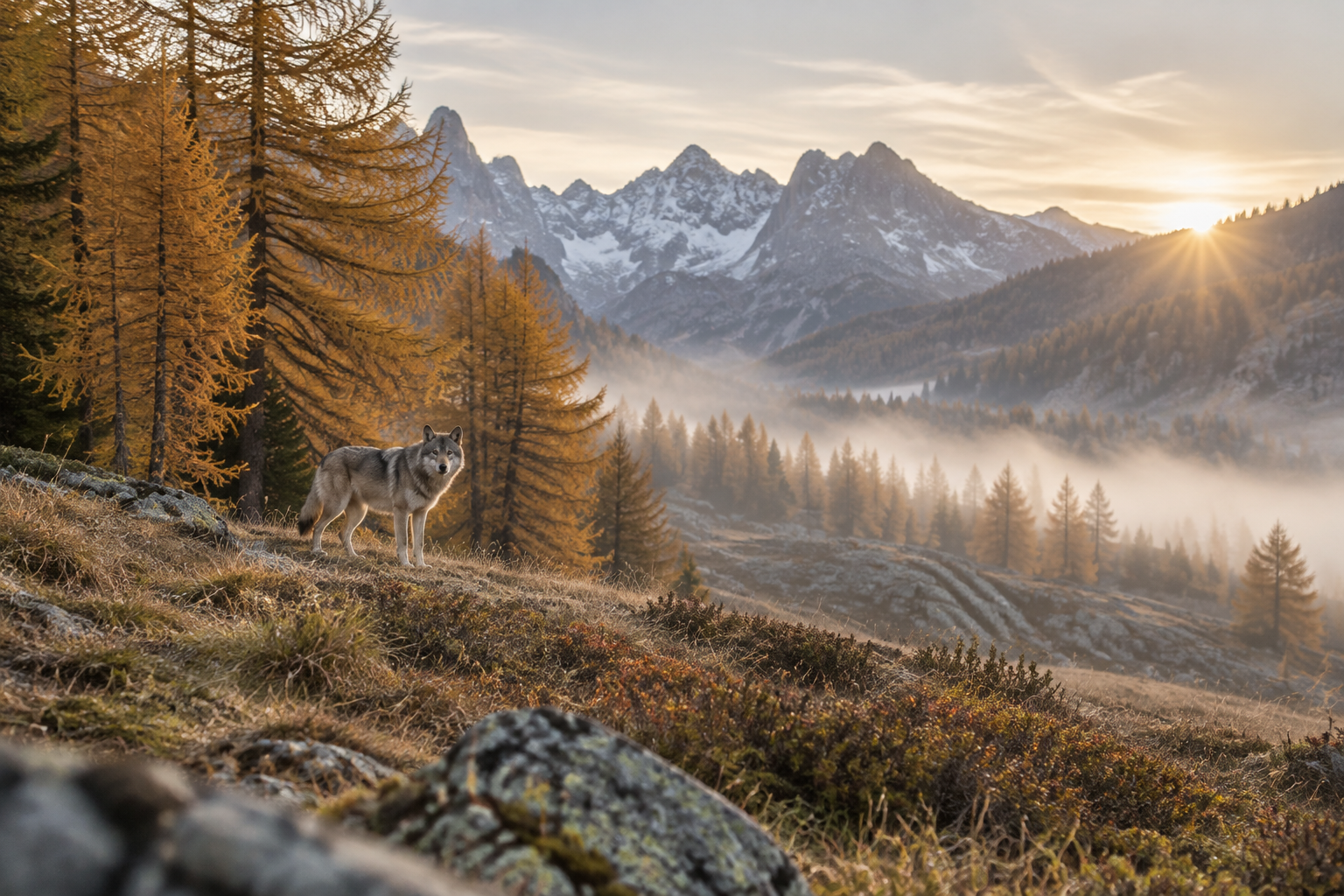
Six years tracking a she-wolf in the Briançonnais
For six years, Corentin Esmieu watched the same she-wolf in a valley in the Briançonnais, without camera traps, relying solely on direct observation. The film he co-directed with Baptiste Deturche, Louve, une vie dans les Alpes, hits cinemas on 4 November 2026; the she-wolf herself remains out of reach, and that is just as it should be.
Hiking & trail running
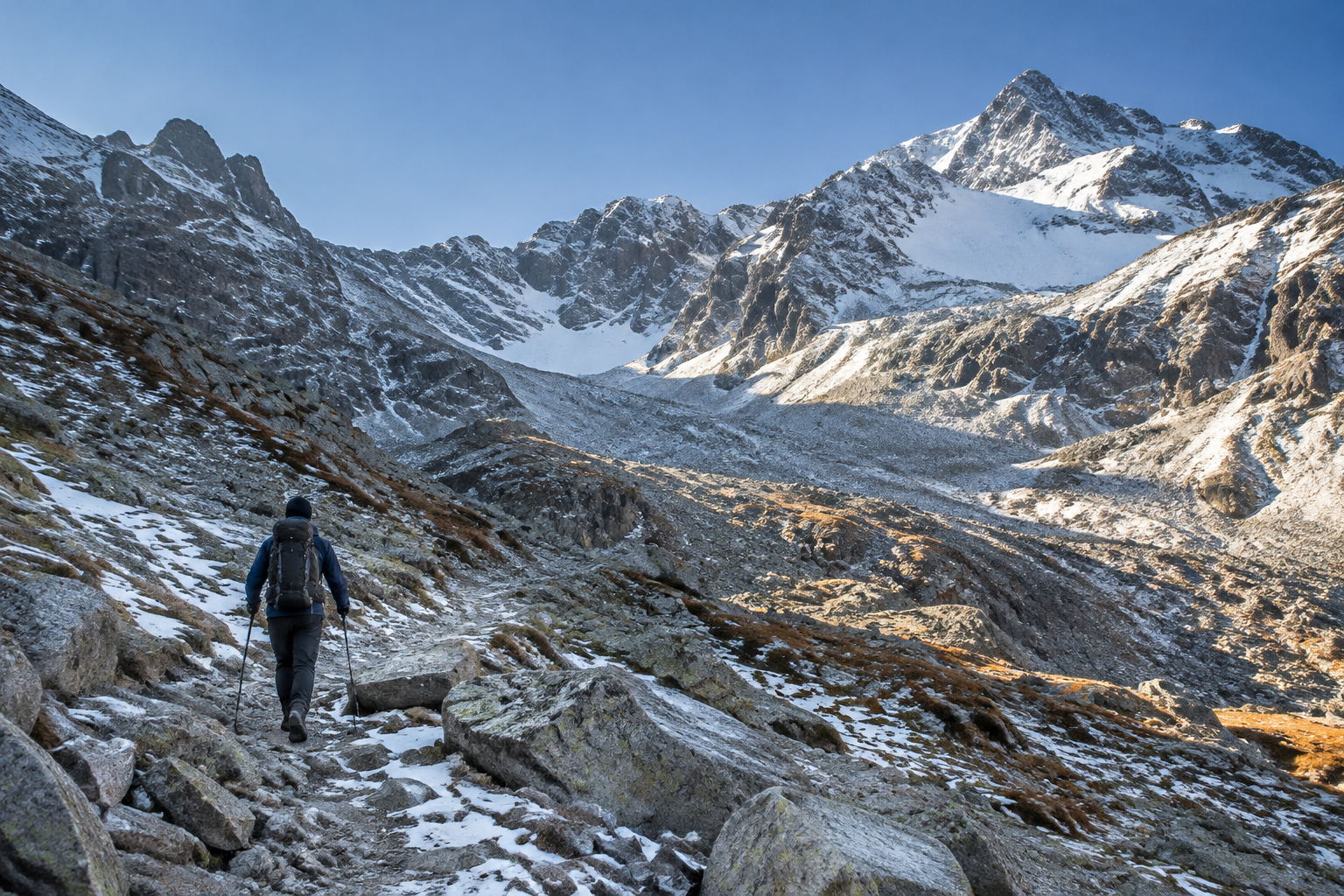
Traversette Tunnel: the gate is shut until 2027
On the French side, the gate installed in 2023 once again bars the entrance to the oldest tunnel in the Alps, bored in 1480 beneath the Col de la Traversette. Winter has gripped the Upper Queyras since 18 October: no more hikers will pass through to Italy before late spring or early summer 2027.